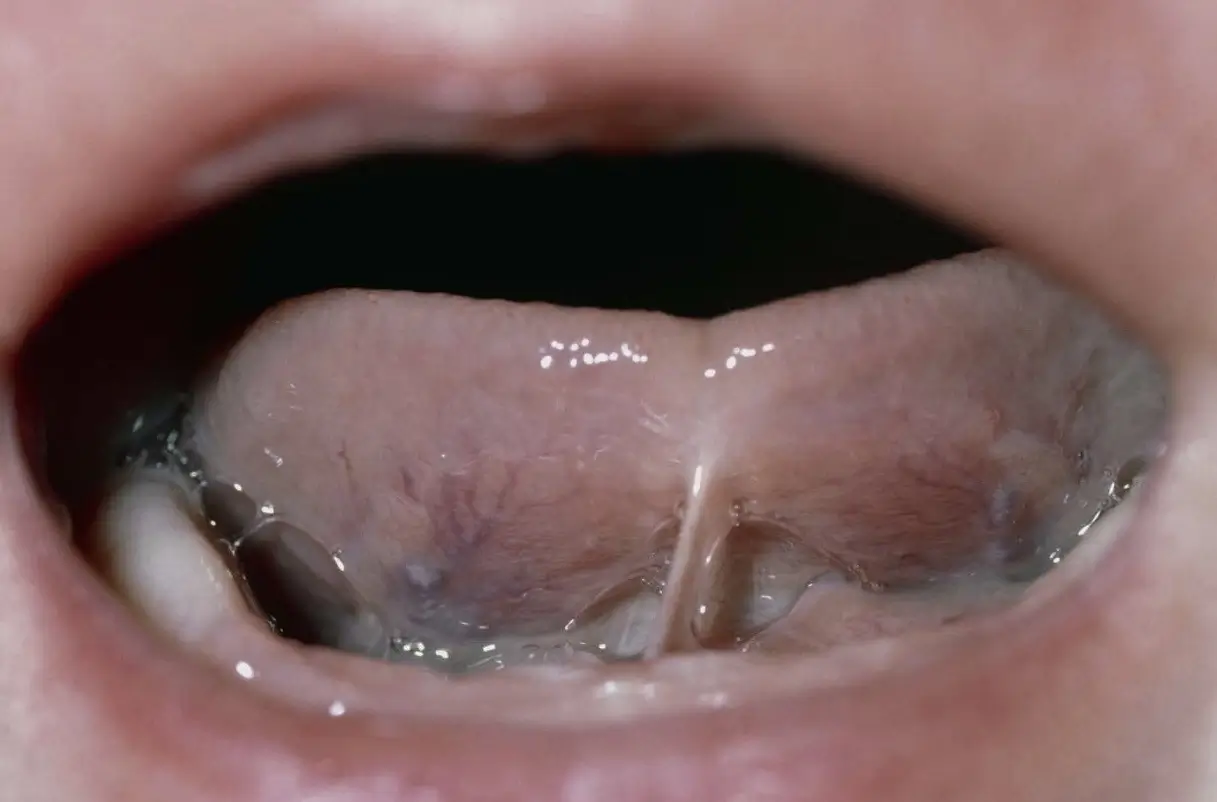
What is tongue-tie?
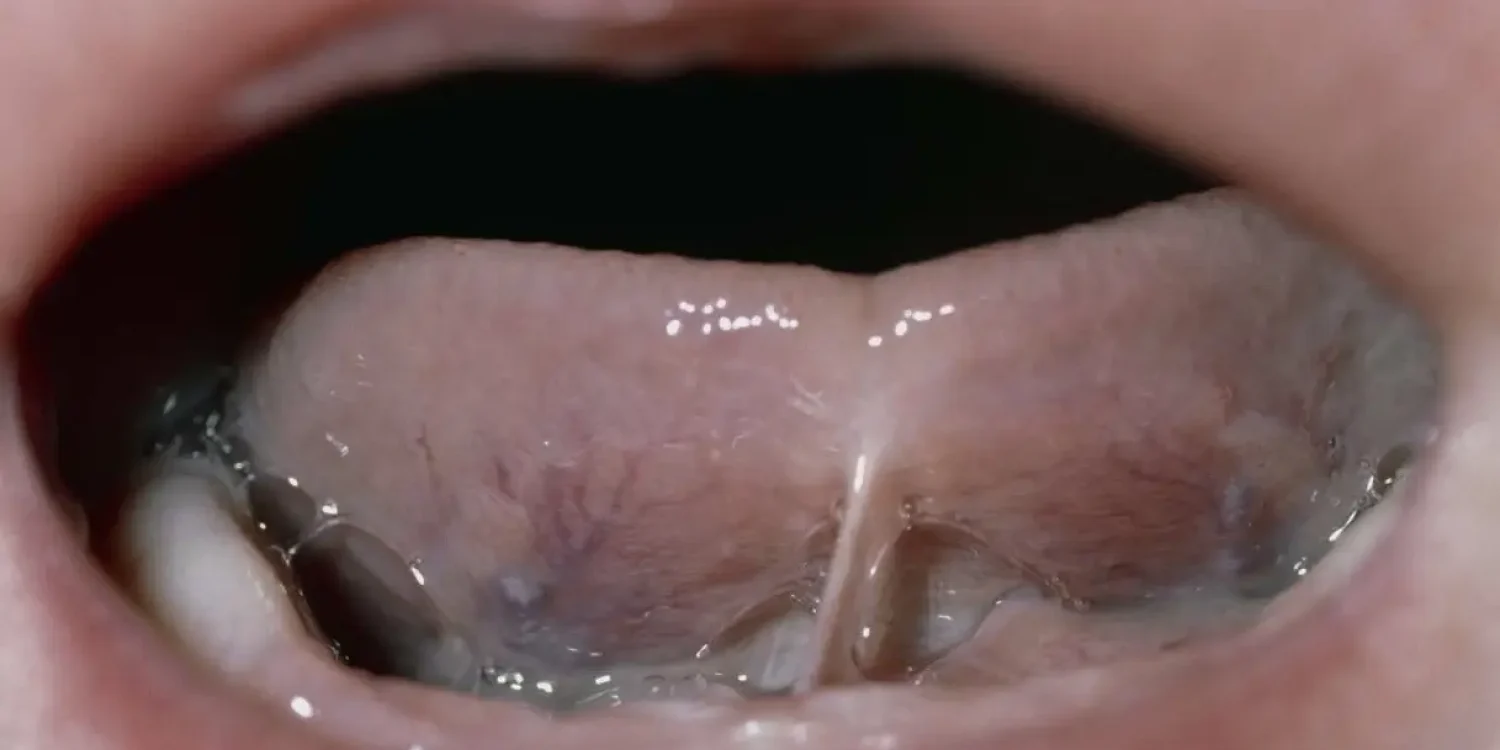
Tongue-tie, also known as ankyloglossia, is where the piece of tissue connecting the underside of the tongue to the floor of the mouth is shorter or tighter than usual.
Tongue-tie is relatively common in babies, but not every baby with a tongue-tie will have feeding difficulties or require treatment.
For parents, the important question isn’t simply “Does my baby have a tongue-tie?”
It is:
“Is my baby’s tongue movement affecting their ability to feed effectively?”
What signs might suggest a feeding difficulty?
The NHS explains that tongue-tie can sometimes make breastfeeding or bottle feeding more difficult.
Parents may notice things such as:
- difficulty attaching to the breast or bottle
- difficulty staying attached
- long or frequent feeds
- clicking noises during feeding
- dribbling during feeds
- difficulty moving the tongue
- difficulty gaining weight
- a baby who appears unsettled or unsatisfied after feeds
For breastfeeding parents, tongue-tie can also be associated with sore or cracked nipples or breast discomfort.
However, these signs do not automatically mean tongue-tie is the cause. Feeding difficulties can have many different causes, which is why an individual assessment is important.

Can tongue-tie affect bottle feeding too?
Yes.
Tongue-tie is often discussed in relation to breastfeeding, but it can also affect babies who are bottle fed.
The NHS notes that some babies with tongue-tie can have difficulty feeding from a bottle, may feed for long periods or struggle to gain weight.
This is an important message for families because feeding support should be available regardless of how you feed your baby. Having a baby bottle feeding well can be relieving when they have had previous difficulty due to a tongue-tie.

Does every tongue-tie need treatment?
No.
Treatment is not usually needed when tongue-tie isn’t causing problems.
Where feeding difficulties are present, support may include feeding advice from a trained professional and, in some circumstances, a procedure to release the frenulum.
If you’re worried about your baby’s feeding, speak to your midwife, health visitor, GP or an appropriately trained feeding professional on this directory.
What happens during a feeding assessment?
A feeding assessment should look at the whole feeding picture, rather than simply looking inside your baby’s mouth.
Depending on the professional and the service, this may include discussing:
- your baby’s feeding pattern
- how long feeds take
- your baby’s behaviour during and after feeds
- your experience of feeding
- your baby’s weight and growth
- nappies
- positioning and attachment
- tongue movement and oral function
This wider picture can help identify whether additional support may be useful.
Finding a tongue-tie practitioner through Birth & Beyond Directory
Finding specialist support can feel particularly difficult when you’re tired, worried and trying to care for a newborn.
Birth & Beyond Directory brings together professionals working across pregnancy, birth, baby and family services, making it easier for parents to discover specialist support in one place.
If you’re looking for a Tongue-Tie Practitioner, browse our Tongue-Tie Services Directory to find professionals in your area.
You can also explore Infant Feeding Support, Private Midwives and Postnal Support.
For more information you can also visit tonguetieuk.com or email hayley@tonguetieuk.com