
How do I know if my newborn is feeding well?
One of the biggest worries for new parents is whether their baby is getting enough milk.
In those first few days and weeks, feeding can feel like a full-time job. Your baby may seem to want to feed constantly, you may be unsure whether they are actually taking enough milk, and it can be difficult to know what is normal.
The important thing to remember is that every baby is different, and feeding patterns can vary considerably.
For breastfeeding parents, NHS guidance explains that babies can feed very frequently in the early days, sometimes as often as every hour. Responsive feeding means allowing your baby to feed according to their cues rather than following a strict timetable.

What are some signs that breastfeeding is going well?
Some signs that your baby is feeding effectively include:- You can hear or see your baby swallowing.
- Your baby’s cheeks remain rounded while feeding.
- Your baby appears relaxed during feeds.
- Your baby usually seems content after feeding.
- Your breasts feel softer after a feed.
- Your baby is gaining weight steadily after the initial newborn weight loss.
- Your baby is having an appropriate number of wet and dirty nappies for their age.
What if breastfeeding is painful?
Some tenderness can occur when you first start breastfeeding, but ongoing or significant pain shouldn’t simply be something you are expected to put up with.
Positioning and attachment can make a significant difference, and sometimes there may be another reason why your baby is struggling to feed effectively.
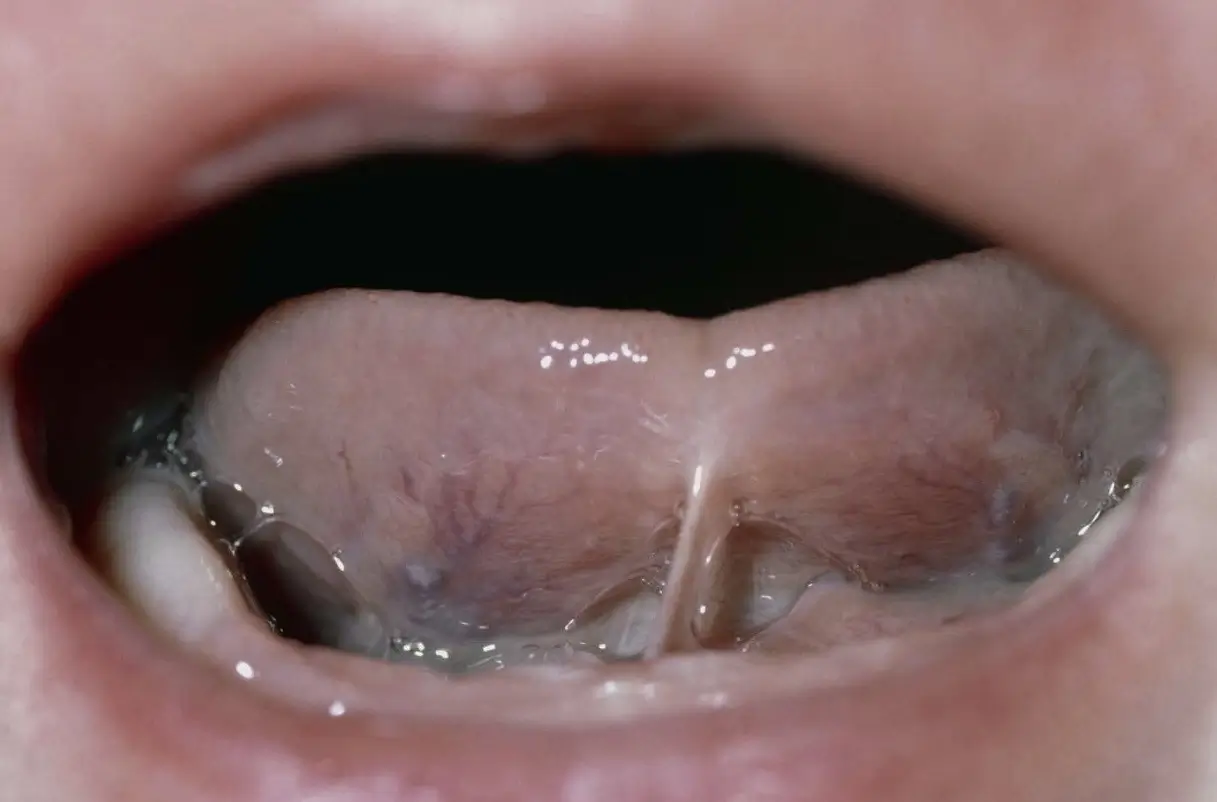
NICE recommends that breastfeeding support should include help with positioning and attachment, reassurance, responsive breastfeeding and recognising signs of effective feeding. Where there are ongoing concerns, additional feeding support and assessment for tongue-tie may be appropriate.
What about bottle feeding?
Families who bottle feed can also benefit from guidance and reassurance. UNICEF UK recommends responsive bottle feeding, which encourages parents to respond to their baby’s cues during feeds and supports close parent-infant relationships.
Whether your baby is breastfed, formula fed, combination fed or receives expressed breast milk, you deserve support that is respectful of your individual feeding choices.

When should I ask for help?
You don’t have to wait until you’re struggling.
If you’re experiencing pain, your baby is finding it difficult to latch or stay attached, feeds are very long or frequent without your baby seeming satisfied, or you’re worried about weight gain or nappies, speak to your midwife, health visitor, GP or an appropriate infant feeding professional.
Sometimes having someone sit with you, observe a feed and talk through what’s happening can make an enormous difference.
Finding trusted feeding support through Birth & Beyond Directory
Finding the right professional can sometimes be almost as difficult as knowing that you need help in the first place.
That’s one of the reasons Birth & Beyond Directory was created.
Our aim is to bring together trusted professionals and businesses supporting families throughout pregnancy, birth and the early years, helping parents find the right support without having to search in lots of different places.
Looking for infant feeding support?
You can Explore our support directory or look at our providers for Pregnancy Services or Baby Services
We also have providers that can help in the following categories: